Death Valley National Park CA,NV
Lat, Long: 36.48753731, -117.134395
Designation: National Park
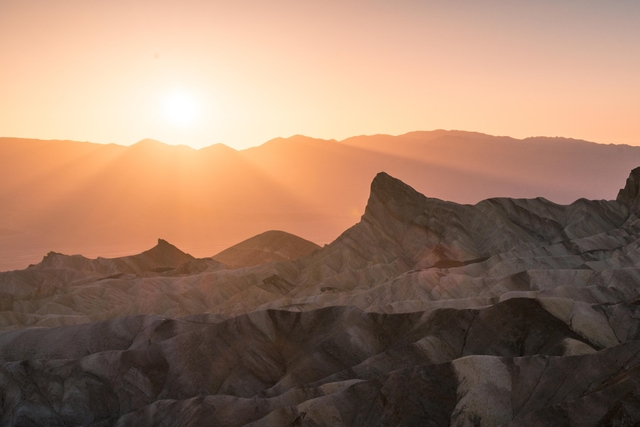
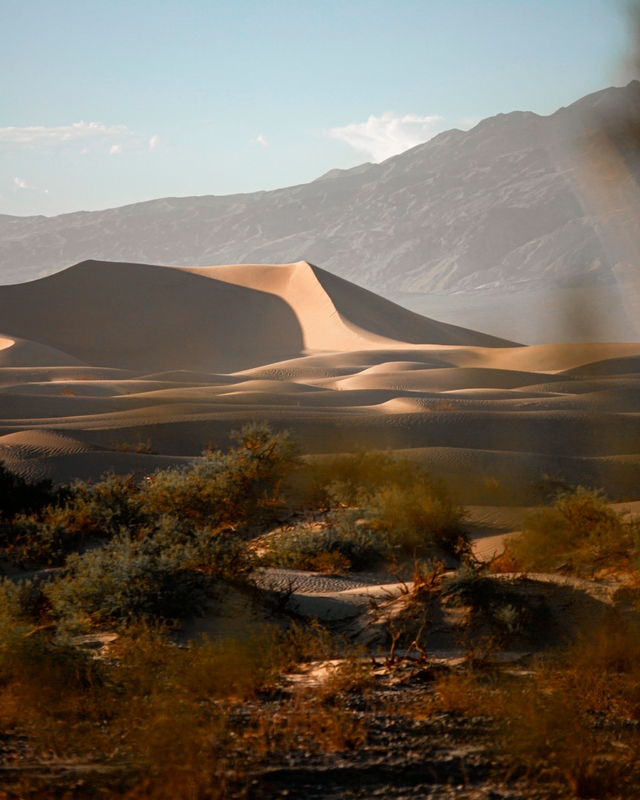
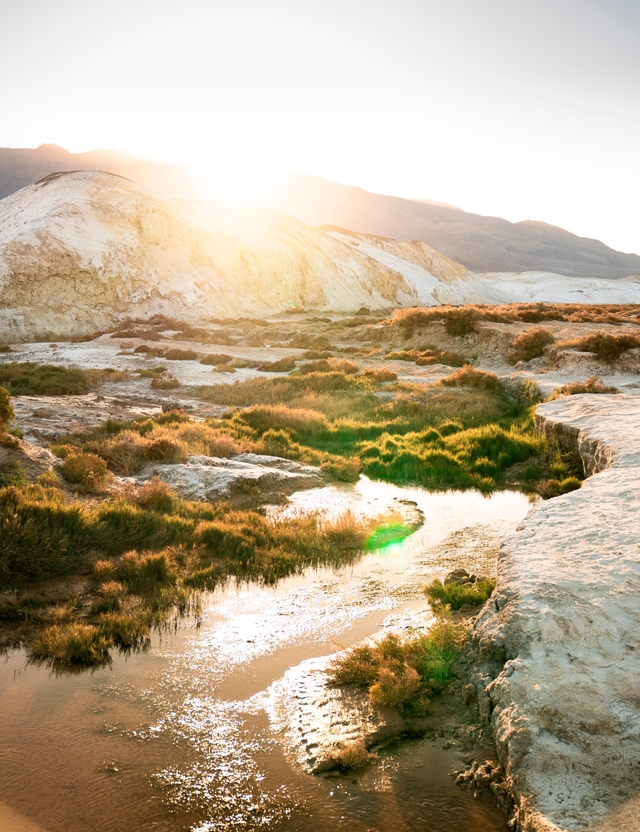
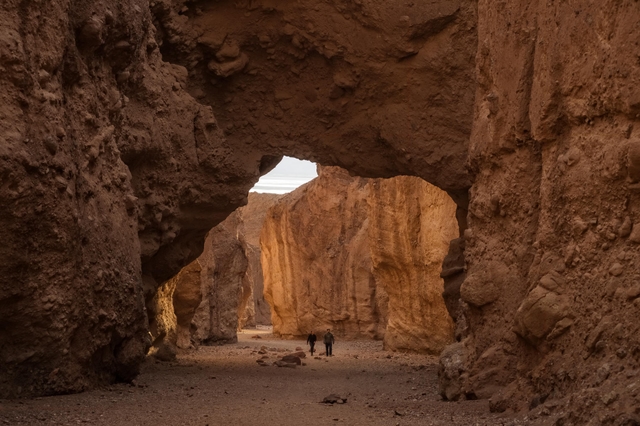
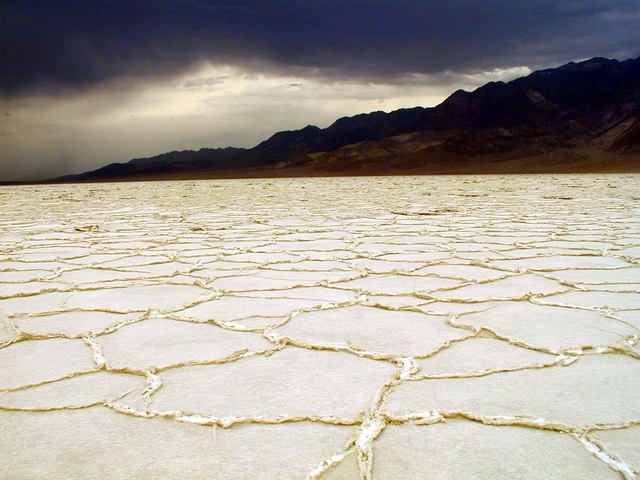
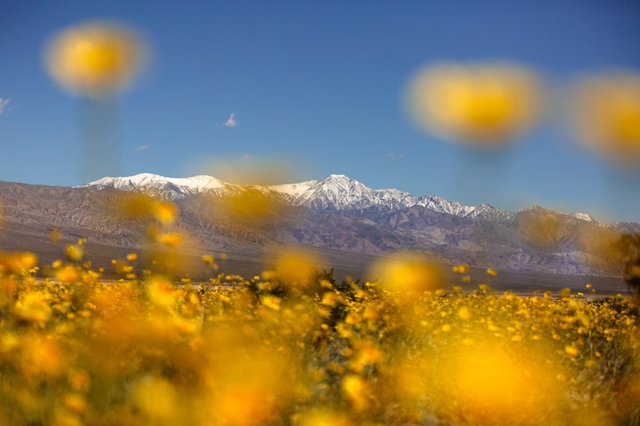
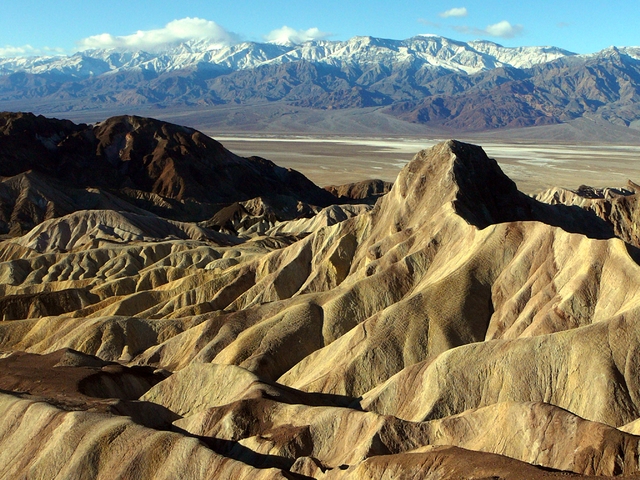
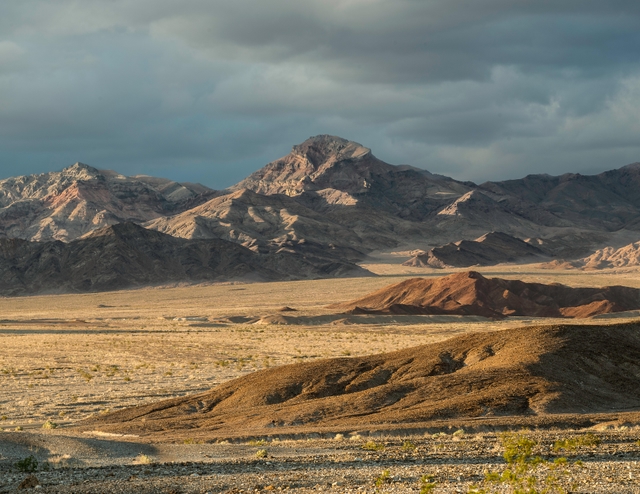
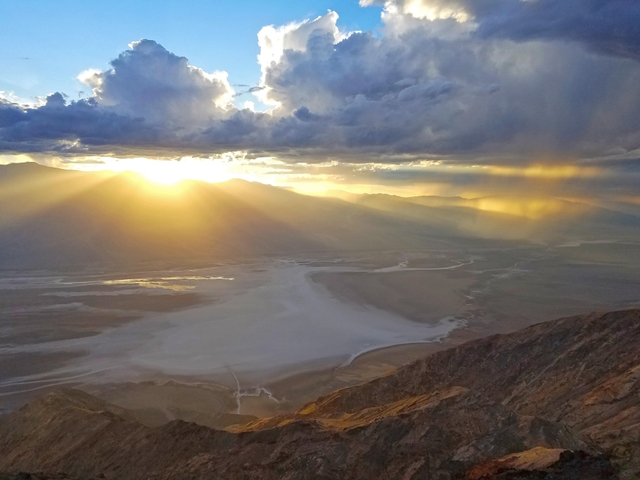
In this below-sea-level basin, steady drought and record summer heat make Death Valley a land of extremes. Yet, each extreme has a striking contrast. Towering peaks are frosted with winter snow. Rare rainstorms bring vast fields of wildflowers. Lush oases harbor tiny fish and refuge for wildlife and humans. Despite its morbid name, a great diversity of life thrives in Death Valley.
Weather:
SPRING is the most popular time to visit Death Valley. Warm and sunny days with the possibility of spring wildflowers is a big attraction. SUMMER starts early in Death Valley. By May the valley can be scorching hot. AUTUMN arrives in late October, with warm but pleasant temperatures and generally clear skies. WINTER has cool days, chilly nights and rarely, rainstorms. With snow capping the high peaks and low angled winter light, this season is especially beautiful for exploring the valley.
Directions:
There are multiple entrances to the park. Click below to learn the best ways to travel to Death Valley.
For more details ›Address/Contact:
PO Box 579
Death Valley, US, 92328
Phone: 7607863200
Email: deva_information@nps.gov
Entrance Fees:
Entrance - Private Vehicle
$30.00
All visitors, including Non-US residents, may purchase and utilize this entrance fee. Purchasing this entrance fee allows all persons traveling in one single private, non-commercial vehicle (car/truck/van/RV/aircraft) to leave and re-enter the park as many times as they wish during the 7-day period from the date of purchase.
Entrance - Motorcycle
$25.00
All visitors, including Non-US residents, may purchase and utilize this entrance fee. Purchasing this entrance fee allows all persons traveling on 2 private, non-commercial motorcycles to leave and re-enter the park as many times as they wish during the 7-day period from the date of purchase.
Entrance - Per Person
$15.00
All visitors, including Non-US residents, may purchase and utilize this entrance fee. Purchasing this entrance fee allows a single individual traveling on foot or individuals traveling on one bicycle to leave and re-enter the park as many times as they wish during the 7-day period from the date of purchase.
Commercial Entrance - Per Person
$15.00
1 - 15 Passenger Vehicle: $15 per person. In addition to the entrance fees listed below, additional permits are required for commercial groups, special park uses (weddings, memorialization, group events, etc.), commercial film and photography, research, and more.
Commercial Entrance - Mini-bus
$100.00
16 - 25 Passenger Vehicle: $100 In addition to the entrance fees listed below, additional permits are required for commercial groups, special park uses (weddings, memorialization, group events, etc.), commercial film and photography, research, and more.
Commercial Entrance - Motor Coach
$200.00
26 + Passenger Vehicle: $200 In addition to the entrance fees listed below, additional permits are required for commercial groups, special park uses (weddings, memorialization, group events, etc.), commercial film and photography, research, and more.
Entrance - Non-commercial Groups
$15.00
Non-commercial Groups (e.g., Scout groups, church groups, etc.) entering in a vehicle with a capacity of 16 persons or more are charged per-person for each person on board, not to exceed $200.
Entrance - Education/Academic Groups
$0.00
National Park Service regulations allow school groups and other approved national and international academic institutions to obtain a waiver of Park entrance fees, provided that visit is for educational or scientific purposes, and the resources or facilities that the group intends to use, support those purposes. Submit your waiver through the link below at least one month prior to your visit.